
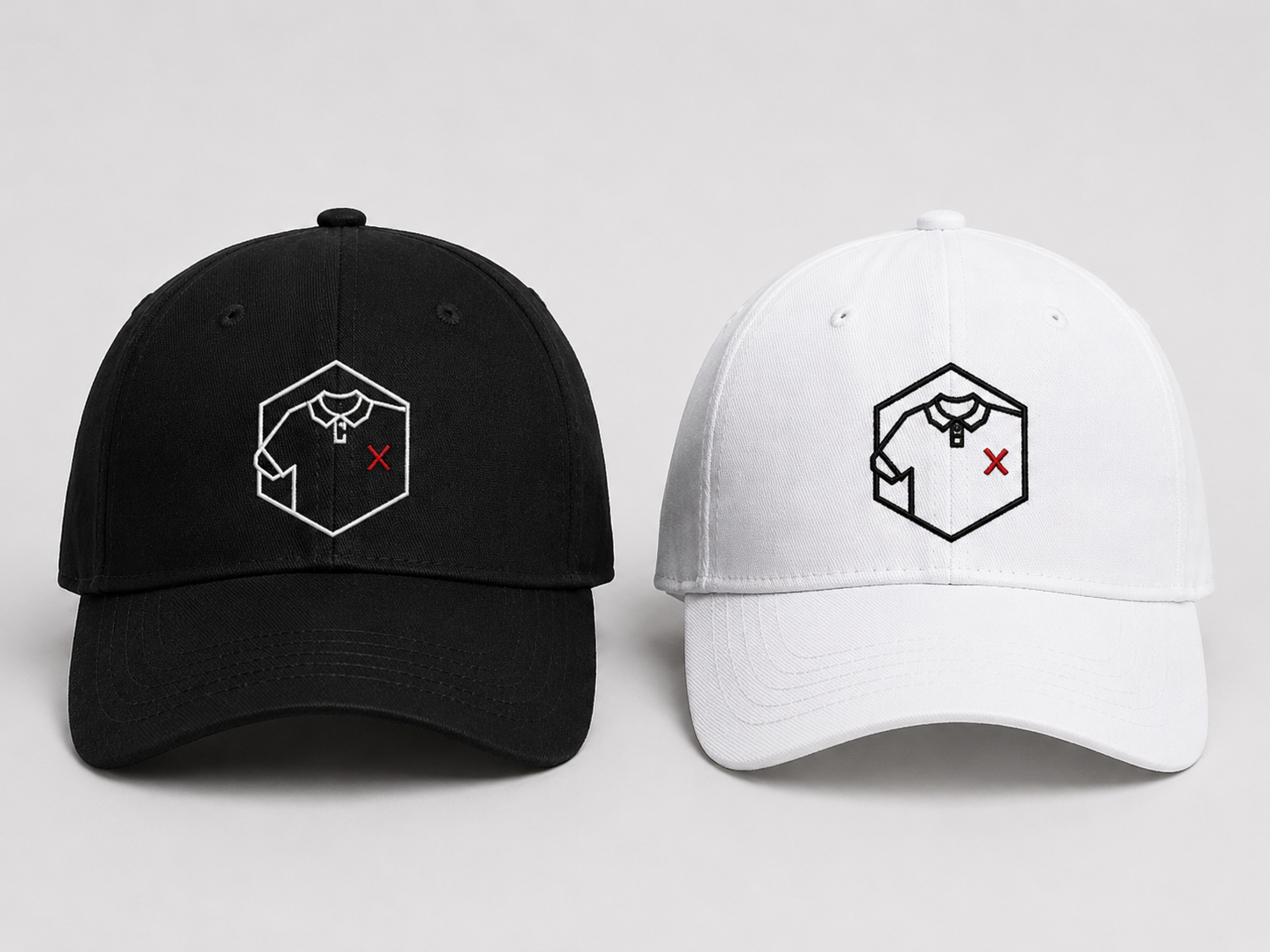
Why Logos Sometimes Need Adjustments for Embroidery
When customers upload a logo for embroidery, they often expect it to look exactly the same as it does on a computer screen or printed on paper. However, embroidery is very different from digital printing. Instead of ink on a flat surface, embroidery uses thread stitched into fabric, which means certain adjustments are sometimes necessary to ensure the final result looks clean, professional, and easy to read.
At PROMOXWEAR, one of the most common adjustments we make involves thread colors — especially when working with dark apparel or logos originally designed on white backgrounds.
Apparel Color Plays a Huge Role
One of the biggest factors in embroidery is the color of the garment itself.
Most logos are created digitally on white backgrounds. On a white screen or sheet of paper, dark lettering and outlines are easy to see. But when the same logo is embroidered onto a black polo, navy hat, charcoal hoodie, or dark jacket, some elements can completely disappear.
For example:
- Black thread on a black shirt will not stand out
- Dark gray thread on navy apparel may become difficult to read
- Thin outlines may disappear on textured fabrics
- Small lettering may lose clarity once stitched
Because of this, embroidery shops often need to adjust certain thread colors to improve visibility and maintain the professional appearance of the logo.
Why White Thread Is Commonly Used
White thread is one of the most commonly substituted embroidery colors because it creates strong contrast on dark garments.
If a customer logo contains black text or outlines and the apparel color is black or navy, we may recommend switching those elements to white thread while keeping the rest of the logo the same.
This helps:
- Improve readability
- Make the logo stand out from a distance
- Preserve important details
- Create a cleaner embroidered appearance
In many cases, the adjustment is very subtle and still keeps the overall look and branding of the original logo intact.
Embroidery Has Physical Limitations
Unlike printing, embroidery uses actual stitches layered into fabric. Thread has thickness, texture, and direction. Because of this, very small details or thin lines may need to be slightly widened or simplified during the digitizing process.
Certain fabrics also affect how thread appears:
- Stretch fabrics can pull stitches
- Textured materials can hide details
- Dark fabrics absorb light differently than white fabrics
These are all factors that embroidery professionals consider before production begins.
Our Goal Is Always the Best Final Result
At PROMOXWEAR, our goal is never to change a customer’s branding — it’s to make sure the embroidered version of the logo looks its best on the apparel selected.
Before production, we carefully review:
- Garment color
- Thread contrast
- Logo size
- Small lettering
- Stitch clarity
- Overall visibility
If an adjustment is recommended, it is usually done to improve the final embroidered appearance and ensure the logo remains clean, professional, and highly visible once stitched onto the garment.
Final Thoughts
Embroidery is both a technical process and an art form. Small thread color adjustments — especially using white thread on darker apparel — are extremely common in the embroidery industry and are often necessary to achieve the highest-quality result.
The goal is simple:
Create embroidery that looks sharp, professional, and represents your brand the right way on every garment.